
Last updated November 20, 2026
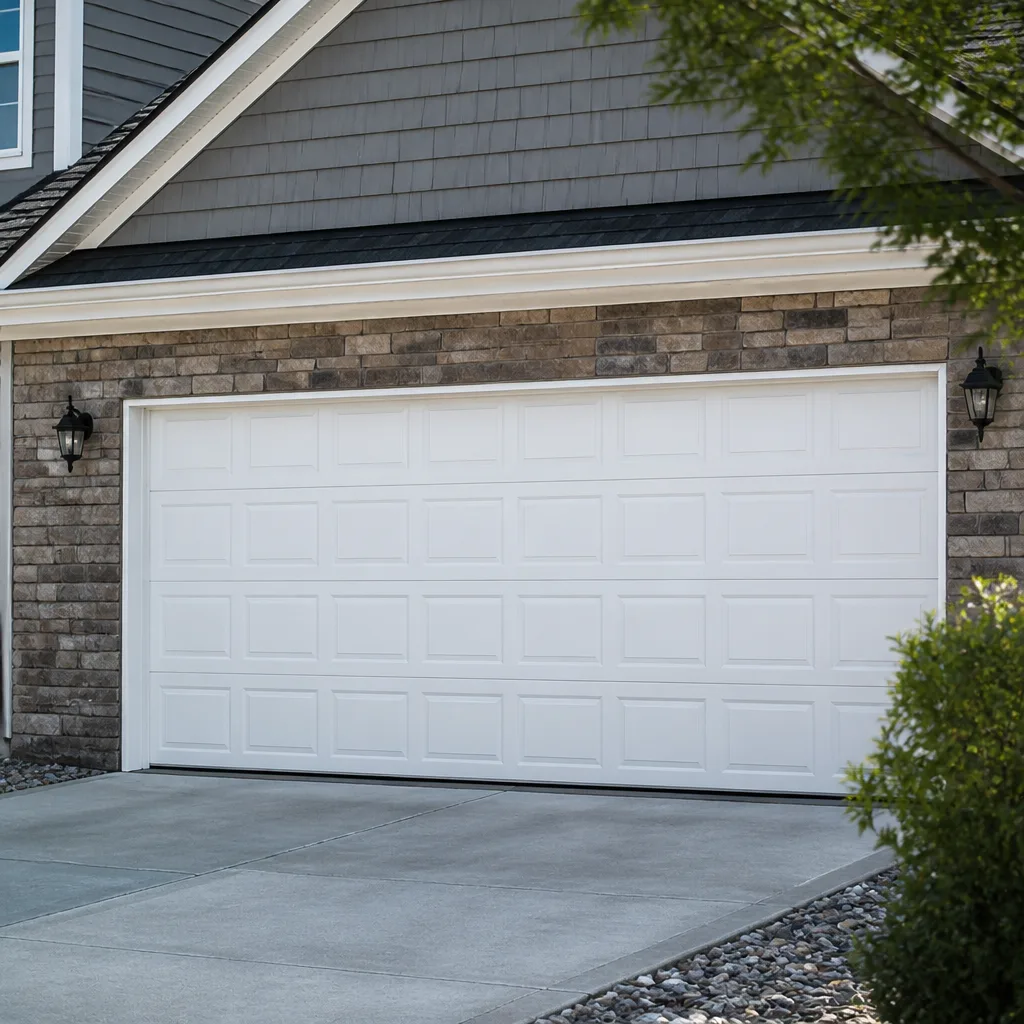 Raised-panel steel
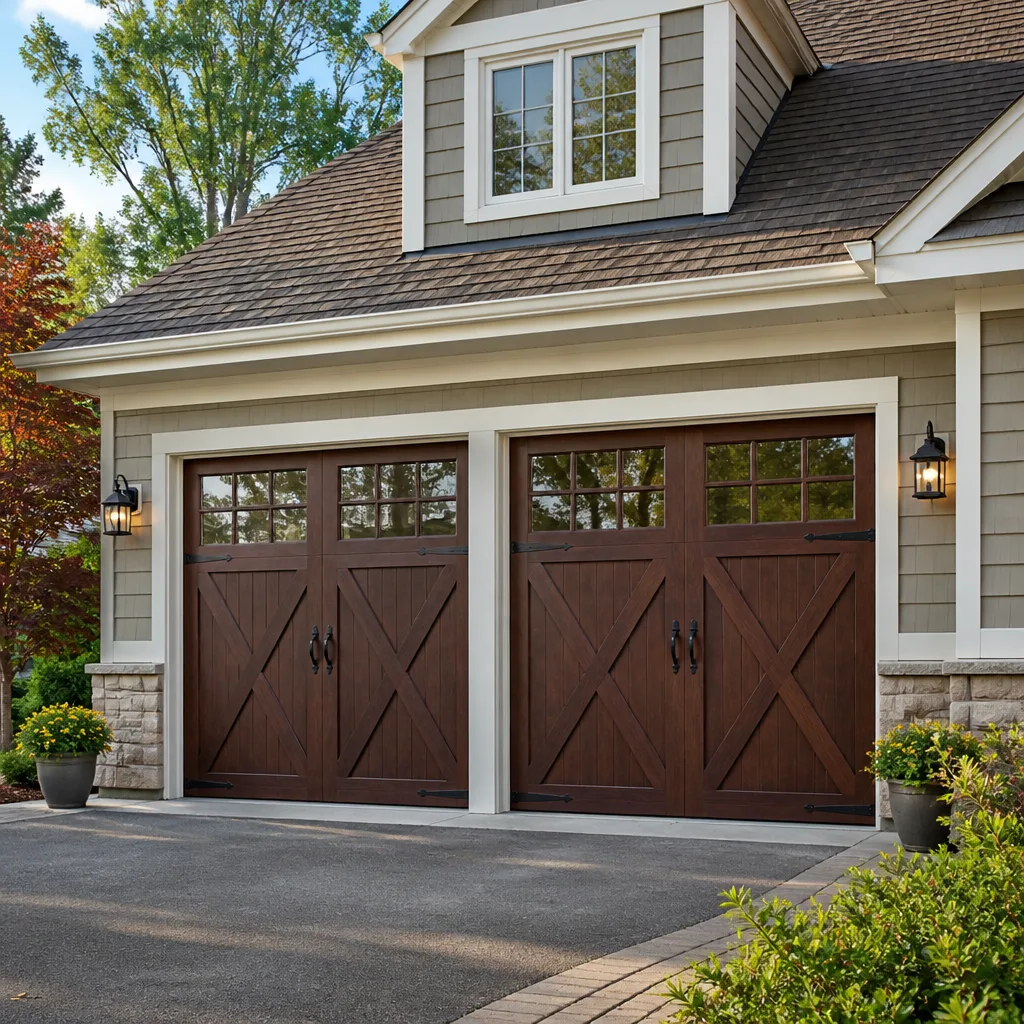 Carriage house
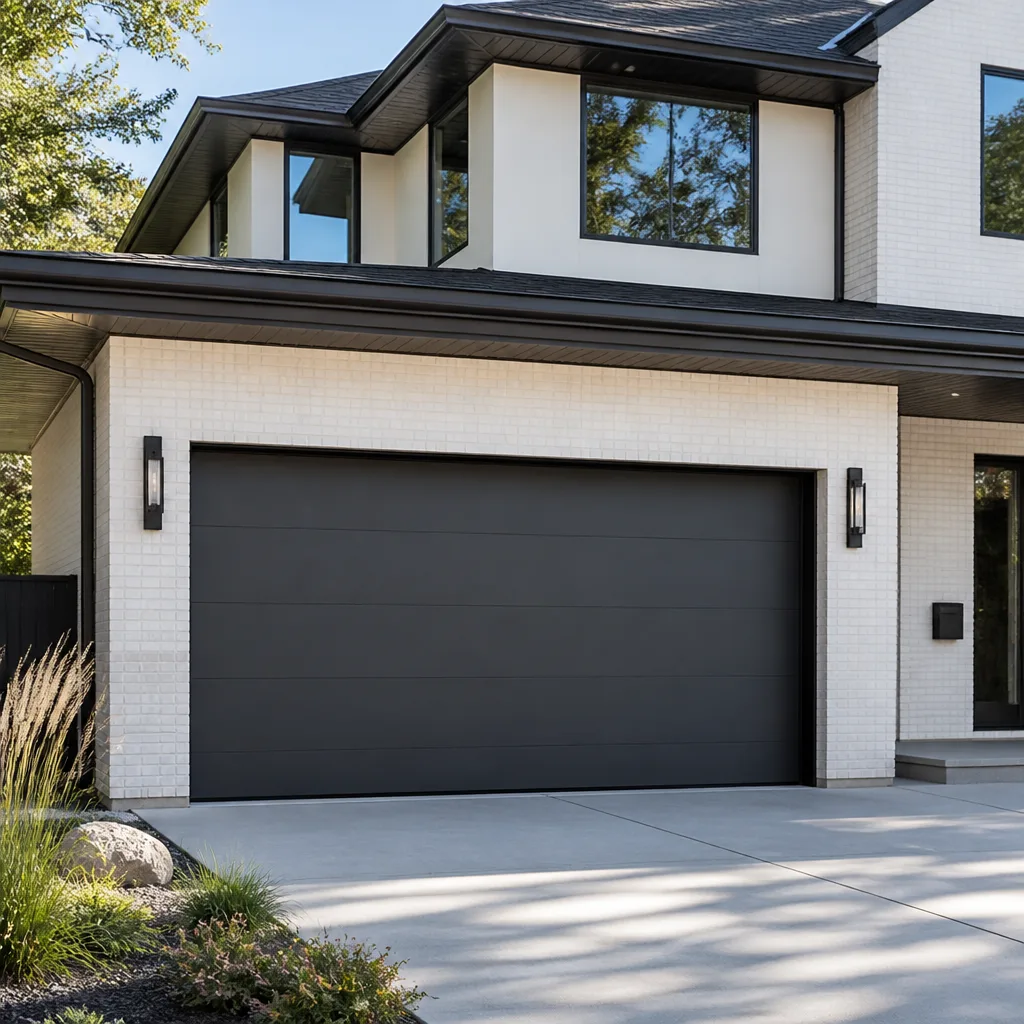 Modern flush
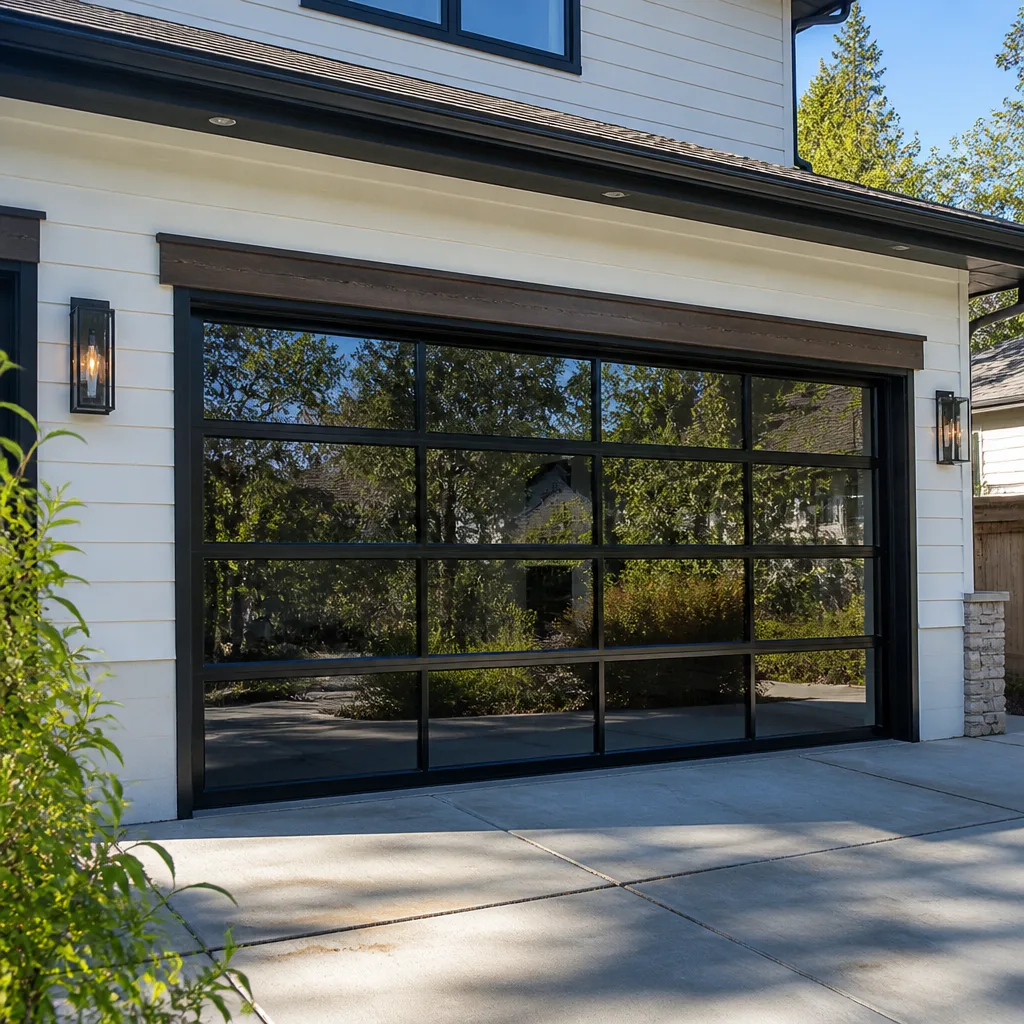 Full-view glass
 LiftMaster openers
 Chamberlain openers
Full 25-point door and opener safety check with every visit - springs, cables, rollers, tracks, and your LiftMaster or Chamberlain opener included
You get a price before we start. It does not change when the pro arrives.
Get your free estimateHow to Hire a Garage Door Contractor in Elizabeth: A Step-by-Step Guide
New Jersey has no state-issued garage door contractor license. That means anyone with a van and a torque wrench can legally describe themselves as a specialist, and you won’t find a state credential to prove otherwise before they touch your door. So the hire can’t be made by looking up a number on a government website. It’s made by asking the right questions, reading the paperwork, and understanding what the contractor is actually putting into your garage. This guide walks through exactly what to request, how to verify it through New Jersey’s own insurance lookup, which contract clauses quietly shift liability onto you after installation, and how to compare two quotes in Elizabeth that use different spring grades or opener tiers so you’re judging the same thing. We’ll also explain what same-day availability really signals about a company’s parts depth and staffing.
Quick Answer
To hire a garage door contractor in Elizabeth, verify three things before work starts: a current certificate of general liability insurance with the certificate holder named correctly, workers’ compensation coverage for anyone on the job, and a written contract that states spring gauge or cycle rating, opener model number, and the warranty terms in writing. Skip the state-license search; New Jersey doesn’t issue one for this trade. Instead, ask the owner of the door to confirm the company has actually serviced that brand before, and insist the price is quoted and agreed in writing before any work begins. Never let a spring job proceed on a verbal estimate.
Styles & brands we work with
- Raised-panel steel
- Carriage house
- Modern flush
- Full-view glass
- LiftMaster openers
- Chamberlain openers
Table of Contents
- Why There’s No State License, and What to Check Instead
- Which Insurance Certificates to Request and How to Verify Them
- Red-Flag Contract Clauses That Shift Liability to You
- How to Compare Multi-Brand Quotes Apples-to-Apples
- Questions That Reveal Real Spring Knowledge
- What Same-Day Availability Actually Signals
- A Seven-Step Vetting Checklist
- Hiring for a New Installation Versus a Repair
Why There’s No State License, and What to Check Instead
New Jersey does not issue a state-level garage door contractor license. That single fact reshapes the entire vetting process. In trades that are licensed, you check a number against a state database and you’re done. Here, there’s no number to look up, which is why hiring for a door in Elizabeth comes down to a handful of documents and pointed questions rather than a background check at a government portal.
What fills the gap is general business registration, insurance, and the contractor’s own willingness to answer specific technical questions and put terms on paper. A legitimate contractor expects you to ask for an insurance certificate and doesn’t flinch. A contractor who stalls, gives a verbal “we’re fully covered,” or promises to send paperwork “later” is telling you something.
In our experience, the conversations that go smoothly start with a homeowner who has already decided what evidence they want to see. Here’s what to gather:
- Business registration. A valid New Jersey business registration confirms the entity exists as a legal business, even though it isn’t a trade credential.
- Certificate of general liability insurance. The certificate should name your property as the certificate holder and show current effective dates.
- Workers’ compensation coverage. Anyone who steps onto your property to work should be covered. If a helper gets hurt on your driveway and the company carries no workers’ comp, the exposure can land near you.
- A written scope. Brand, model, gauge, and warranty, in writing, before the first bolt turns.
Notice what isn’t on that list: a state license number. When you read or hear one, ask what agency issued it. There isn’t a garage door trade license for New Jersey to hand out, and a contractor who represents otherwise has told you something about how they operate. For broader context on what we actually do, our Elizabeth Garage Door Repair Co overview is a reasonable starting point.
For a look at how we approach the work itself, our garage door repair page breaks down the typical job from the moment the door fails to the moment it runs smoothly again.
Which Insurance Certificates to Request and How to Verify Them
Ask for two certificates and verify both: a certificate of liability insurance and a certificate of workers’ compensation. Request them before you schedule, not the morning of. A contractor who can produce both quickly is telling you they carry coverage as a matter of routine, not as a special favor for one skeptical homeowner in Elizabeth.
Verification in New Jersey runs through the Department of Banking and Insurance (DOBI). DOBI maintains a lookup for licensed insurers, and you can confirm the carrier on the certificate is actually authorized to write policies in the state. That’s the quiet part most homeowners skip. A certificate can look perfectly official and still show a carrier that isn’t licensed in New Jersey, which tells you the coverage may not respond the way you’d expect if something goes wrong.
- Request the certificates by email, not a photo texted to your phone. Emailed PDFs are harder to alter and easier to file.
- Check the effective and expiration dates. If coverage expires mid-project, ask for an updated certificate before work begins.
- Confirm the certificate holder field names your property or you personally, depending on what your insurer advises.
- Look up the listed insurer through New Jersey’s DOBI lookup to confirm it’s authorized in the state.
- Verify workers’ compensation covers anyone who will be on the job site, not just the person quoting it.
- Call the insurer’s number on the certificate, using the number you find yourself, and confirm the policy is active.
That last step catches more problems than the other five combined. A certificate is a snapshot; a phone call to the carrier confirms the policy behind it is live today. If the company can’t tell you who their carrier is without checking, that’s a fair signal they don’t deal with it often. A spring that fails on a door under tension and a door that drops off a track are both physical, on-site events. Coverage matters in a way it doesn’t for painting a hallway.
One more thing worth saying plainly: ask whether the worker compensation covers subcontractors, too. Some companies use independent crews. If they do, the coverage question gets a second layer. A contractor who cannot explain their subcontractor arrangement in plain language is a contractor you want to keep asking.
Red-Flag Contract Clauses That Shift Liability to You
The clause to look for in a garage door contract is any language that moves responsibility to the homeowner after the work is finished. Once the paperwork is signed, a warranty can turn out to be narrower than you assumed. The clauses that cause the most trouble tend to be short, buried, and legalistic. Read the whole contract before you sign, and ask the contractor to walk you through any clause you don’t fully understand.
Here are the patterns we’d pause on:
- Waivers of liability after the work is complete. Language that releases the contractor from responsibility for a door that fails in the weeks after installation. There’s a difference between a reasonable warranty period and a clause that says “we’re done with this the moment we leave.”
- Homeowner maintenance obligations that void the warranty. A required monthly inspection of springs, cables, and rollers is fine. Fine print that voids the entire warranty if you don’t lubricate on a schedule you were never told about is another thing. Ask exactly what the warranty requires of you.
- Lien rights language. Some contracts include language that lets a contractor place a mechanic’s lien against your property if unpaid. That’s normal in the trade, but the amount and terms should be clear, and it should match the written estimate.
- Arbitration clauses that strip your right to court. An arbitration clause isn’t automatically a red flag, but it should be explained, not slipped in.
- Unspecified “materials markup” language. If the contract doesn’t state the spring gauge or opener tier and instead says “materials as needed,” you have no way to compare it against another quote. Insist the spec goes in writing.
- Warranty exclusions tied to “improper use.” Vague language around it can be used to deny coverage for a defect that was never your fault.
A legitimate contract in Elizabeth will spell out the spring specification, the opener model, labor, warranty period, and exclusions in clear terms. It will be signed by the company, with a phone number to reach them if something goes wrong. In our experience, the contractors who are most comfortable putting their terms on paper are the ones most likely to honor them six months later.
How to Compare Multi-Brand Quotes Apples-to-Apples
Two quotes for the same job can look similar on the bottom line and be completely different jobs. The reason: contractors spec different spring grades, different opener tiers, and different brands within the same job. A Clopay door and an Amarr door in the same opening are two different products with different warranties. To compare quotes fairly, you have to compare the specification line by line, not the total.
Here’s the framework we suggest:
- Spring gauge. Spring wire comes in different gauges. A thicker gauge can carry the door’s weight with a different cycle rating than a thinner one. Ask each contractor to name the gauge and the expected cycle rating on their quote.
- Spring cycle rating. Cycle ratings describe how many open-close cycles the spring is rated for. A quote for a lower-rated spring and a quote for a higher-rated spring aren’t the same product.
- Opener model number. A Genie or LiftMaster model number on the quote gives you something to compare. “Standard opener” doesn’t. The writer of a good quote knows exactly which tier they’re installing.
- Brand. A Clopay, Amarr, or Wayne Dalton door changes the quote. If one contractor specs a heavier-gauge door and another specs a lighter one, the total difference isn’t overcharging; it’s a different door.
- Labor line items. Ask what’s included in labor: removing the old door, disposal, hauling, track alignment, testing, and adjustments.
- Warranty terms per item. Door warranty, hardware warranty, and labor warranty can each run on a different schedule. Ask for each one.
When the specs are apples-to-apples, the price comparison becomes straightforward. For more on what a typical job looks like in this market, our page on garage door opener repair walks through the diagnostic side of the work. If you’re replacing springs, our garage door spring repair page spells out the parts and process.
One idea that shifts the whole comparison: ask each contractor to write the quote in the format they would if they were the homeowner paying for it. That request changes the level of detail fast. And when the specs are in writing, you and the contractor agree on the price before any work begins. Anything else is a conversation that ends with a surprise on the invoice.
Questions That Reveal Real Spring Knowledge
A spring repair is one of the most dangerous jobs in the trade. Torsion springs are under extreme tension even when the door is closed, and a spring or cable that lets go can cause serious injury. Any contractor who treats spring work as routine, without caution, is a contractor you should not hire. The good ones slow down and explain the safety side before they touch anything.
These questions sort out the technicians who know the mechanics from the ones who swap parts:
- “What’s the gauge and cycle rating on the spring you’re installing?” A technician who knows spring mechanics will answer immediately and tell you why they chose a specific gauge for your door’s weight.
- “Is this a torsion spring or an extension spring setup?” The two systems work differently and get serviced differently. A technician who says “springs are springs” is worth pausing on.
- “How do you verify the door is balanced before you put the panel back on?” Balancing is a step, not an afterthought. A technician who can describe the process, and why it matters, knows the job.
- “What do you check on the cables and drums?” Springs and cables wear together. A technician who only replaces the spring without inspecting the cable may leave you with a door that fails again soon after.
- “What’s the safety step before you do anything with the spring?” The correct answer involves securing the door and relieving tension safely. Anyone who skips this question is telling you something.
- “Will you show me the door operating smoothly before you leave?” A proper job ends with the door running and the homeowner watching it run.
If you take nothing else from this section, take this: spring work is not a casual repair. A trained technician handles it with the right tools and the right steps. A general handyman who hasn’t done spring work before should decline. If a contractor offers to “try” a spring job without clear experience, that’s a reason to keep looking. Safety first, always.
Our technicians have up to 12 years of experience on spring and opener work, and we handle spring repair as a core service rather than a referral. That’s one of the reasons we think a homeowner in Elizabeth should ask the questions above before letting anyone near a door under tension. For more on our approach to the trade, our page on garage door repair covers the full range of what we handle.
What Same-Day Availability Actually Signals
Same-day availability signals two things about a garage door company: parts depth and staffing depth. A contractor who can come the same day is a contractor who keeps common parts on hand and has technicians who can be dispatched on short notice. A contractor who schedules everything for next week is a contractor who has neither, or who fills the calendar with sales calls rather than repair calls.
For a garage door in Elizabeth, the difference matters beyond convenience. A door that’s stuck open can’t be secured. A door that’s stuck closed blocks a car. When we answer that call, we’re not just sending a technician; we’re sending someone with the hardware to solve the most common failure modes on the spot. And when a spring, opener, or track issue shows up, the parts on hand decide whether the job ends today or next week.
Here’s what same-day actually tests:
- Parts inventory. Common spring sizes, opener models, rollers, hinges, and cables. If a company has to order everything, same-day is impossible.
- Staffing. One technician with a full calendar can’t offer same-day. A team can.
- Brand familiarity. A technician who knows Genie, LiftMaster, Chamberlain, Clopay, Amarr, Wayne Dalton, Craftsman, and Raynor equipment can diagnose on arrival instead of spending the first hour reading the manual.
- Decision speed. A contractor confident in their diagnosis can quote on the spot. A contractor who says “we’ll get back to you” tells you the same-day call was just a sales appointment.
We answer 24/7. Fast dispatch from 7am to 7pm, Sunday through Friday. Same-day work is a real option on most repair calls because the parts are in stock and the schedule has room. On a new installation, the job is measured, ordered, and scheduled: the measure is free, and you get a written quote before anything is ordered. A call outside dispatch hours gets booked into the next opening.
A Seven-Step Vetting Checklist
Here’s the whole process in order. Print it, screenshot it, or keep it open while you make calls. If a contractor passes all seven, you’ve done more diligence than most homeowners in Elizabeth ever do.
- Ask what brand experience they have. If you have a Clopay door and a LiftMaster opener, the contractor should say they’ve serviced both. If they only work with one brand, ask what happens if the diagnosis points to a different one.
- Request both insurance certificates. Liability and workers’ compensation, by email, before scheduling.
- Verify the carrier through New Jersey’s DOBI lookup. Confirm the insurer is authorized in the state.
- Ask the spring-mechanics questions. Gauge, cycle rating, torsion versus extension, and the balancing step.
- Insist on a written quote before work begins. Not “we’ll send it after.” Before.
- Compare the spec line by line, not the total. Spring, opener, brand, labor, warranty.
- Read the contract for liability and warranty clauses. Ask about anything that shifts risk to you.
A contractor who passes that list has earned a fair look. A contractor who pushes back on steps one through six has told you something. When it’s a genuine repair call fielding the same list, the conversation usually takes five minutes. When it’s a sales call dressed up as a repair appointment, it takes much longer, and the pressure starts to show.
If you’d rather not run the list alone, we’re happy to walk through it with you on the phone. That’s part of what a free estimate is for.
Hiring for a New Installation Versus a Repair
A new installation is a different hire than a repair, and it should be vetted on different terms. On a repair, the questions are about parts on hand and same-day availability. On an installation, the questions are about measurement, code, permit requirements, and product specification. Speed matters less. Precision matters more.
The right sequence for a new installation in Elizabeth starts with a free measure. The contractor measures the opening, checks the headroom, looks at the track configuration, and asks about the door weight you’ll be operating. Only after the measure can the quote be written. A contractor who quotes a new door over the phone without a measure is guessing, and the guess usually turns into an add-on later.
- Ask about permits. Most New Jersey municipalities require a permit for a garage door replacement. Ask your contractor how they handle permits, and confirm with the city’s building department what your property requires. If a contractor never mentions permits, that’s a fair question to raise.
- Ask about brand options. A company that services eight brands (LiftMaster, Chamberlain, Genie, Clopay, Amarr, Wayne Dalton, Craftsman, and Raynor) can recommend based on your opening and your budget, not on what’s sitting in a warehouse. A single-brand dealer can only recommend the brand they sell.
- Ask for the warranty terms on the door, the opener, and the labor, separately. Each runs on a different schedule.
- Ask what happens if the door doesn’t align on installation day. A company that handles the correction without a change order fee is worth a second look.
- Get the quote in writing before anything is ordered. The measure is free. The price is set by the written estimate.
When the door is measured, the brand is specified, and the price is on paper, the installation becomes a scheduling question rather than a discovery process. That’s how we prefer it.
Common Mistakes to Avoid
- Searching for a state license that doesn’t exist. A homeowner in Elizabeth who starts the search expecting a state license number will get confused fast. There isn’t one for garage doors in New Jersey, and a contractor who claims one is worth a hard second look.
- Accepting a verbal estimate on a spring job. A spring repair has real parts and real labor. Get the gauge, cycle rating, and price in writing before anyone starts turning bolts.
- Hiring whoever answers the phone fastest. Speed to answer isn’t the same as speed to solve. The follow-up matters, too: does the technician arrive with the right parts and a working diagnosis?
- Skipping the warranty check. A one-year warranty on a spring, an opener, and labor each are three different things. Ask for each one, and read the exclusions.
- Not verifying the insurance carrier. A certificate can look official and still list a carrier that isn’t authorized in New Jersey. A quick DOBI lookup catches what an eyeball check misses.
- Comparing totals instead of specs. A lower total on a lower-gauge spring or a lighter door isn’t a better deal. It’s a different product.
- Ignoring the contract’s liability language. The clause that transfers responsibility to you is usually short and easy to skim past. Ask the contractor to explain any clause you don’t fully understand before you sign.
See the difference
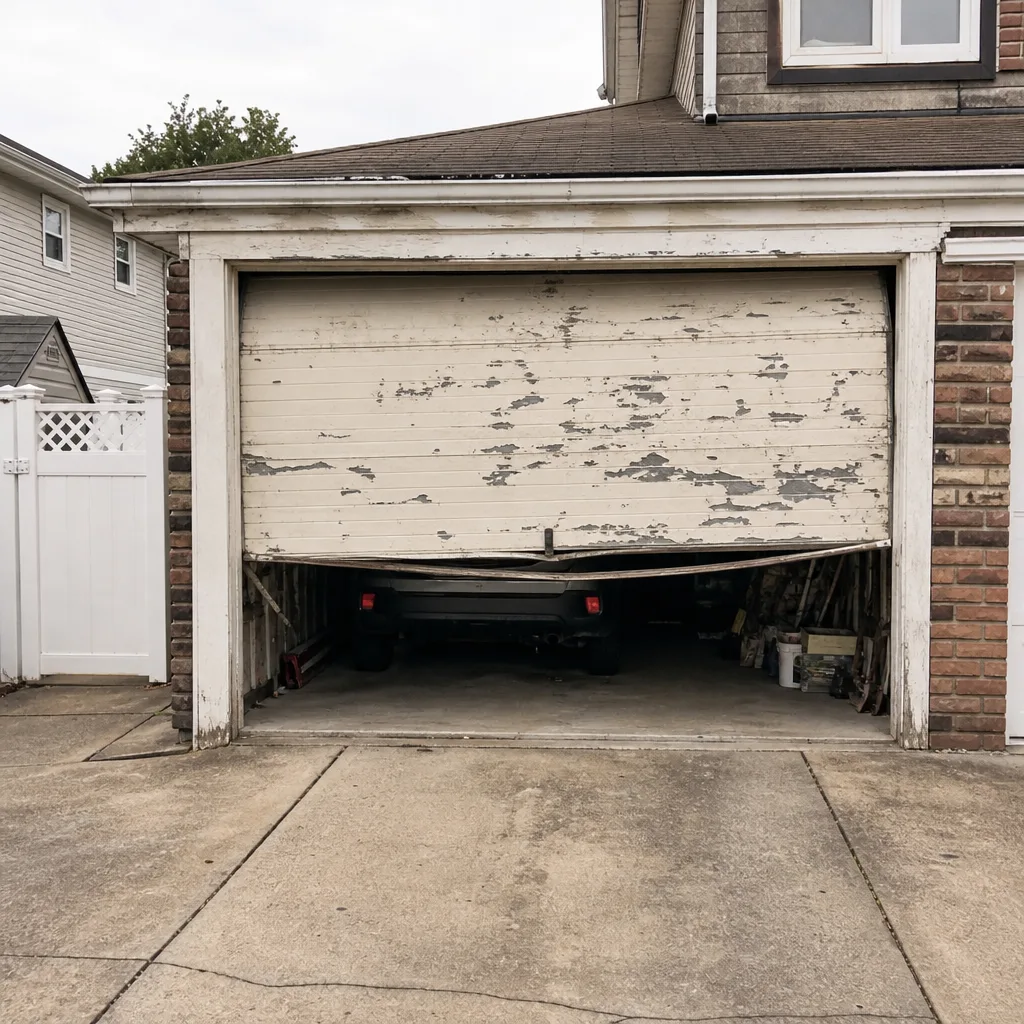 Before
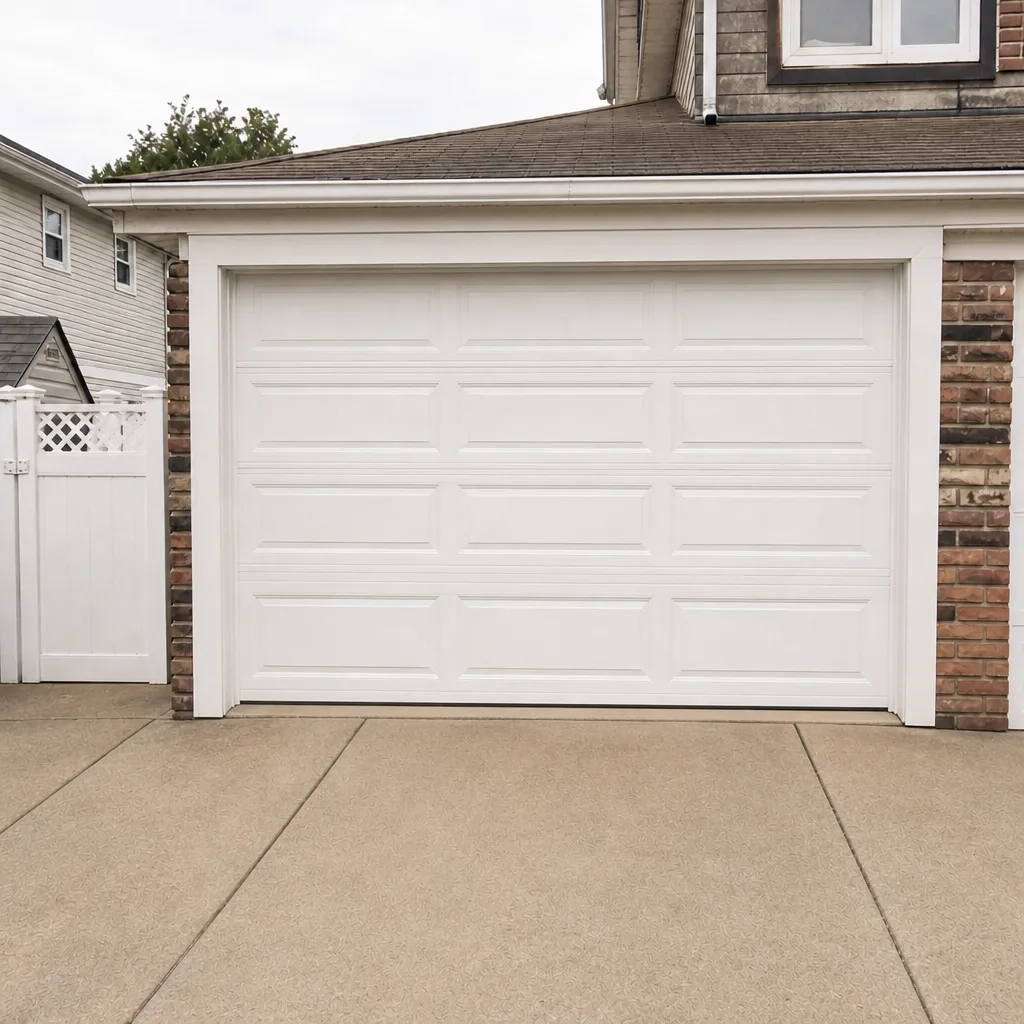 After
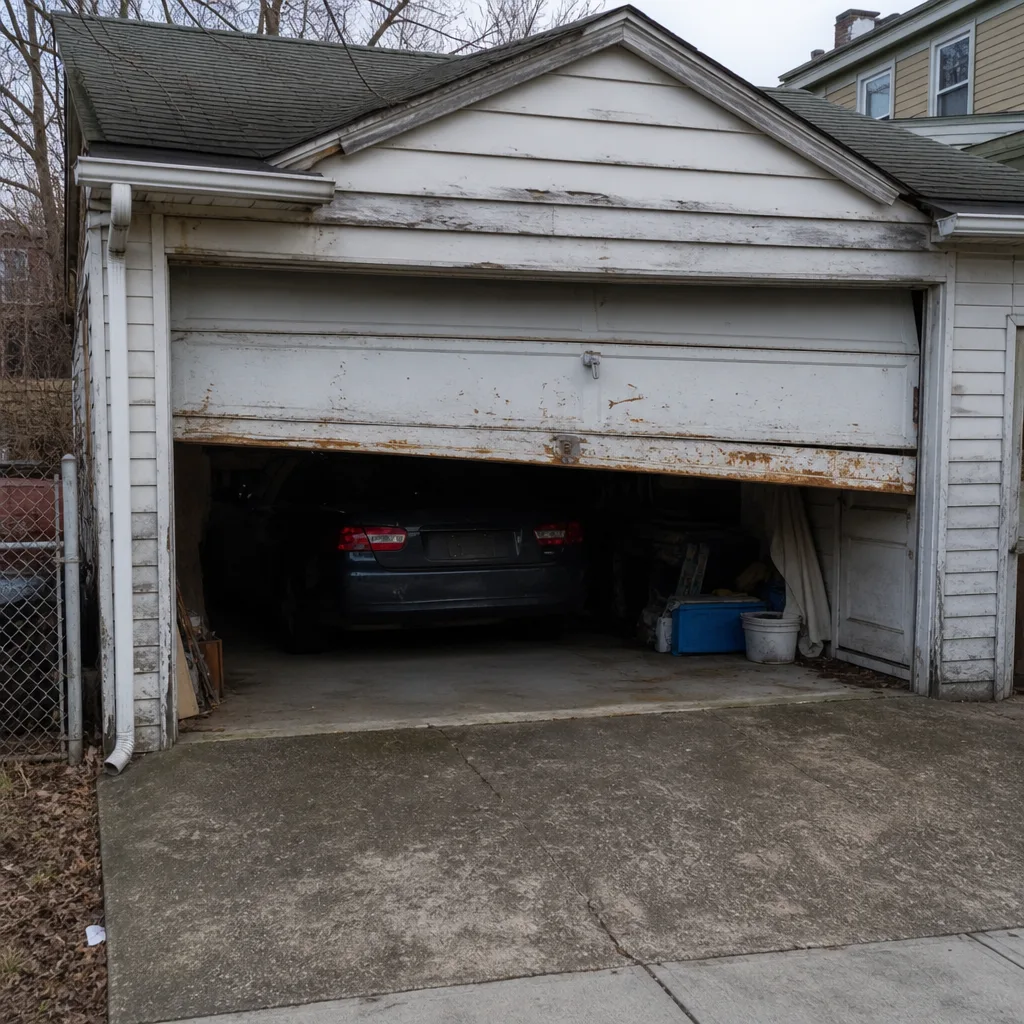 Before
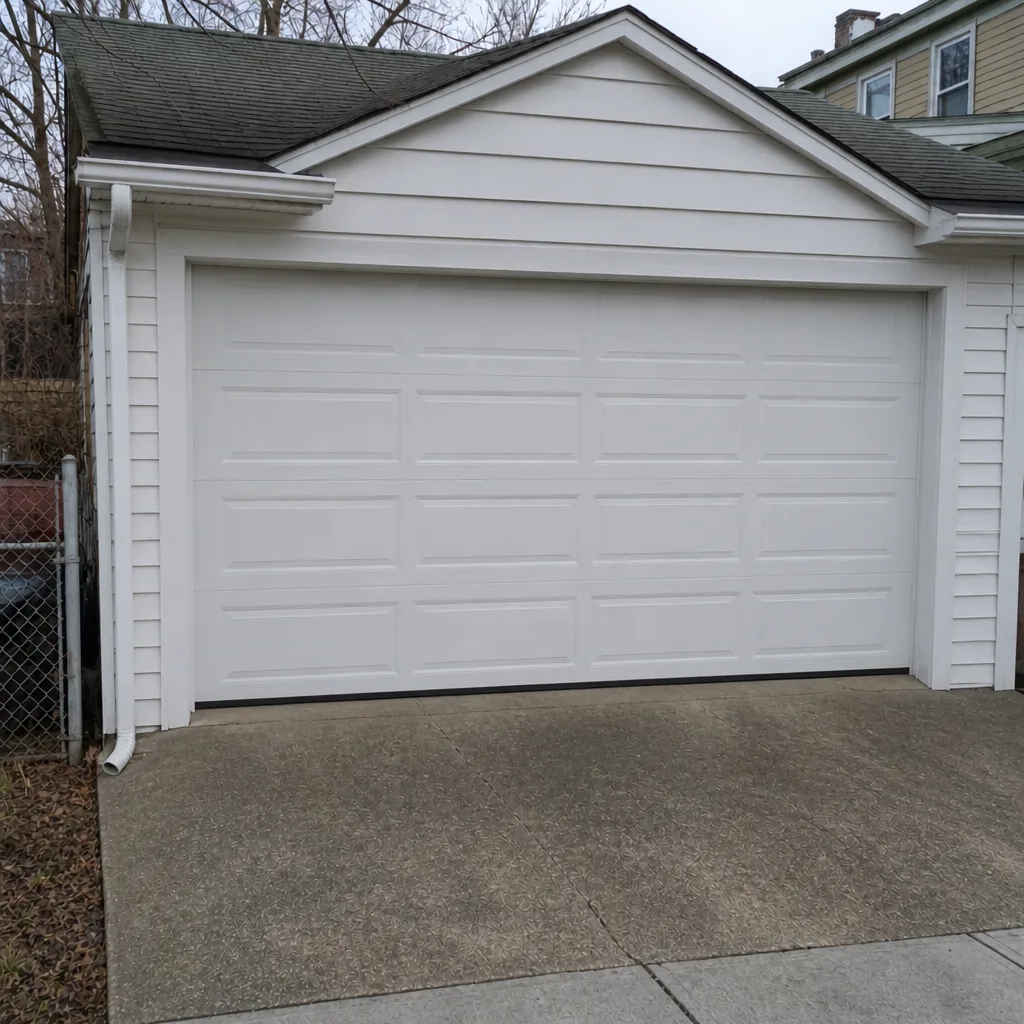 After
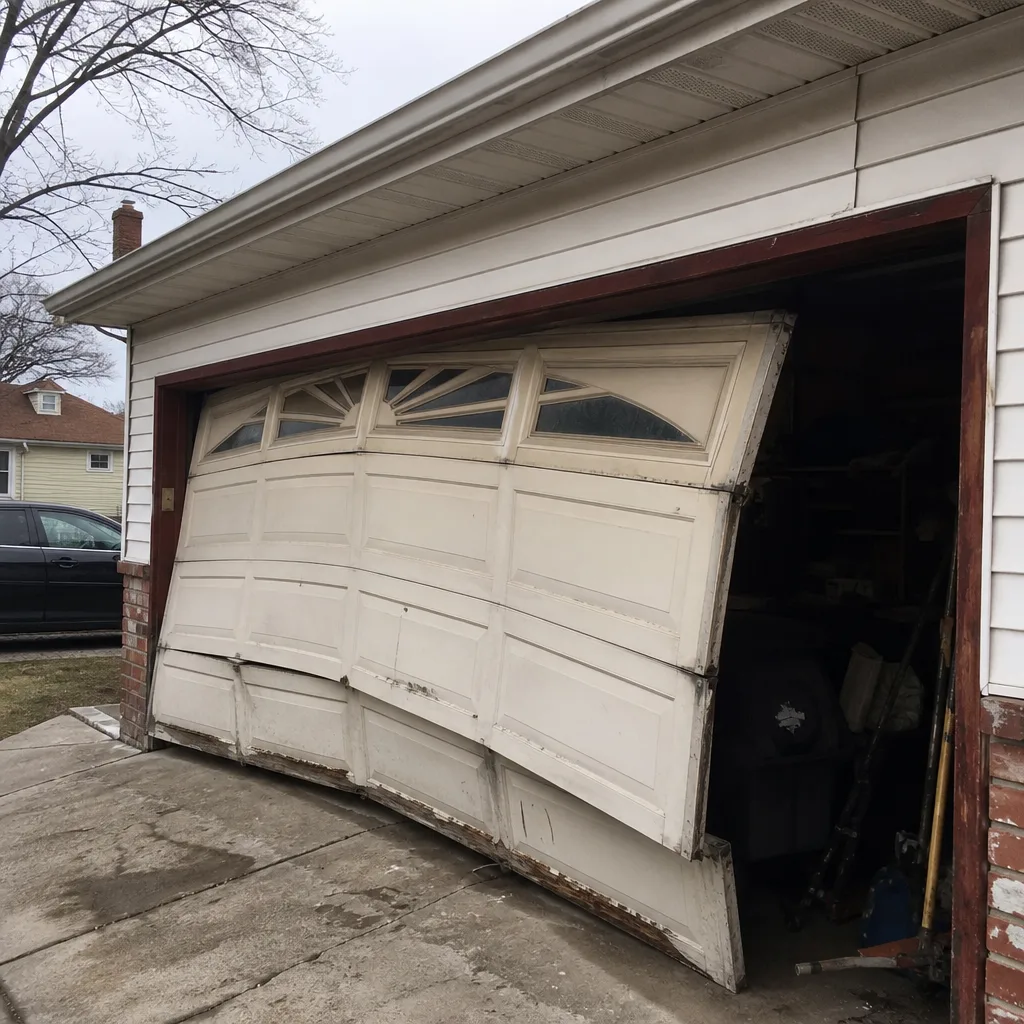 Before
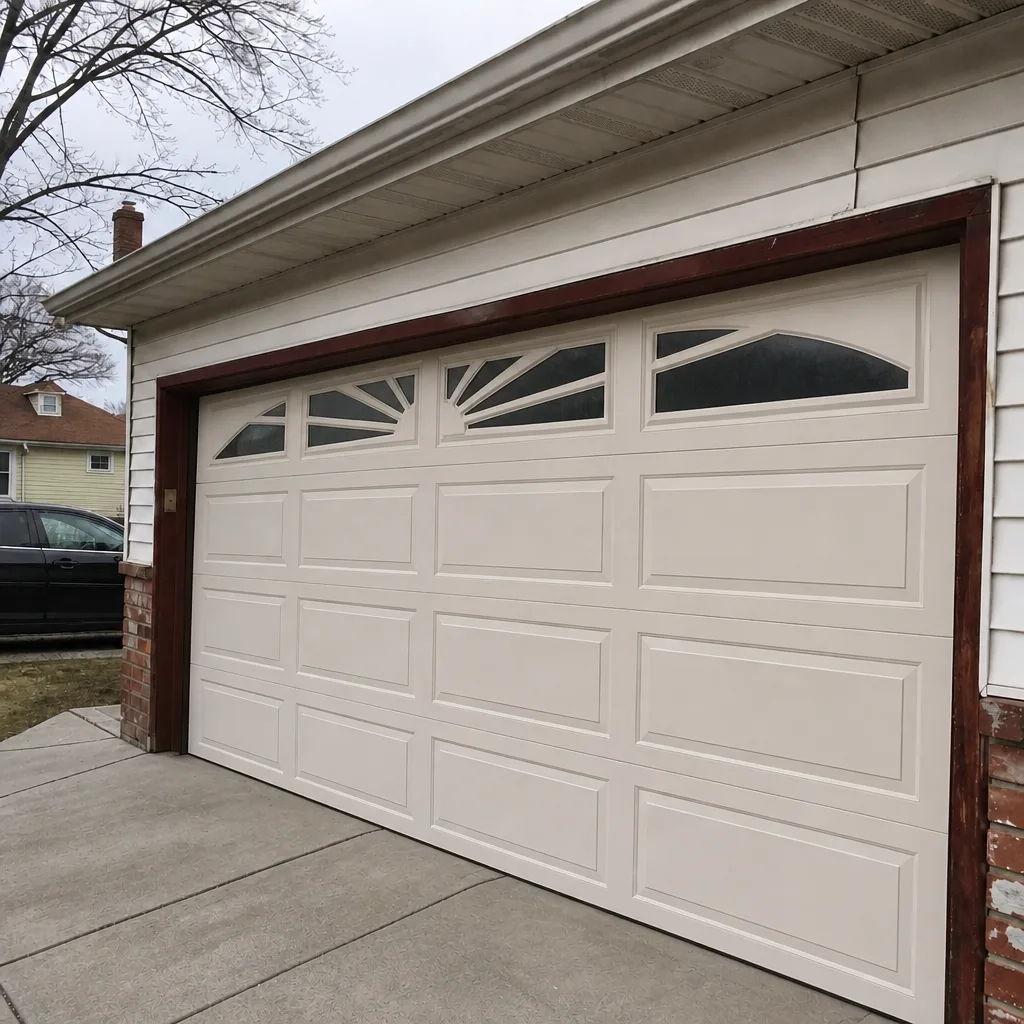 After
When to Call a Professional
Call a professional when a spring snaps, a cable frays, or a door comes off its track. Spring and cable work involves stored tension that can cause serious injury, and it should never be a homeowner’s job. Call when the opener runs but the door doesn’t move, when the door reverses for no apparent reason, or when the door is visibly out of balance. Call when the door won’t close all the way and you can see a gap at the bottom. Call when a panel is dented or bent badly enough that the door won’t track straight. And call when you’re not sure: a technician’s diagnostic visit is free, and the answer is better than a guess.
Elizabeth Garage Door Repair Co offers free estimates in Elizabeth. Call (866) 937-7593. We answer 24/7. Fast dispatch from 7am to 7pm, Sunday through Friday. We work on your brand, whichever of the eight major brands your door and opener happen to be.
Frequently Asked Questions
No. New Jersey does not issue a state-level garage door contractor license. That means the vetting process has to rely on insurance certificates, a written contract, and pointed questions, not on a state database search. When you’re hiring a contractor in Elizabeth, ask for liability and workers’ compensation certificates and verify the carrier through New Jersey’s DOBI lookup. That’s the closest thing to a state check this trade has.
Ask for a certificate of general liability insurance and a certificate of workers’ compensation coverage. Request them by email before scheduling, check the effective and expiration dates, confirm the certificate holder field names you or your property, and verify the carrier through New Jersey’s DOBI lookup. Then call the insurer to confirm the policy is active. A contractor who can produce both quickly is showing you they carry coverage as a routine, not as a special favor.
The price is set per job by the written estimate, not by a list price. Spring, opener, track, and panel work each have a different scope, so the estimate reflects what your door actually needs. Call (866) 937-7593 for an exact quote. Estimates are free, and the price you agree to in writing is the price before any work begins.
Yes, same-day service is available on most repair calls because the parts are in stock and the schedule has room. Call (866) 937-7593. We answer 24/7. Fast dispatch from 7am to 7pm, Sunday through Friday. A call outside dispatch hours is booked into the next opening. For a new installation, the free measure and written quote come first, and the installation is scheduled after that.
No. The written estimate sets the price before any work starts, and it doesn’t change once the technician is on site. If the scope of the job is different from what you described on the phone, that gets discussed and agreed before work begins, not after. That’s the whole point of putting the spec in writing.
It depends on the company. A single-brand dealer will service the brand they sell and refer you elsewhere for the rest. A multi-brand specialist can service the equipment you already have. We work on LiftMaster, Chamberlain, Genie, Clopay, Amarr, Wayne Dalton, Craftsman, and Raynor equipment, which means no referral runaround regardless of what’s currently on your door. Ask any contractor you’re considering which brands they service before you schedule.
New Jersey doesn’t issue a state garage door license, so ask about insurance instead. The local pro is licensed and insured as their state requires, and you should request the certificate of liability insurance and workers’ compensation coverage before scheduling. Verify the carrier through New Jersey’s DOBI lookup, then call the insurer to confirm the policy is active. That’s the most reliable verification available in this trade.
Ask about spring gauge, cycle rating, whether the door uses torsion or extension springs, and what step they take to verify the door is balanced before they put the panel back on. A technician who knows spring mechanics answers immediately and explains their choices. A technician who treats spring work as routine without caution is a technician you should stop talking to. Spring and cable work involves stored tension that can cause serious injury, and it belongs to a trained professional.
The Bottom Line
Hiring a garage door contractor in Elizabeth comes down to evidence, not advertisement. There’s no state license to check, so you replace it with the documents and questions that fill the gap: insurance certificates you verify through New Jersey’s DOBI lookup, a written contract that spells out the spring gauge and opener model, and a direct conversation about spring mechanics. Read the liability and warranty clauses before you sign. Compare quotes by spec, not by total. And treat same-day availability as information about parts depth and staffing, not as a sales perk. Get the price in writing before work starts, then let the work begin. That’s how a door gets fixed once instead of twice.
If you’d rather have this handled, one call covers it. Elizabeth Garage Door Repair Co operates as a single point of contact for repair, opener repair, spring repair, and new installation – the same company under one call, no referral to a second vendor. We work on your brand. We handle spring repairs as a core service, and we’re set up for same-day work on most repair calls.
Call (866) 937-7593 for a free estimate. We answer 24/7. Fast dispatch from 7am to 7pm, Sunday through Friday.
Written by the team at Elizabeth Garage Door Repair Co.