
Last updated November 20, 2026
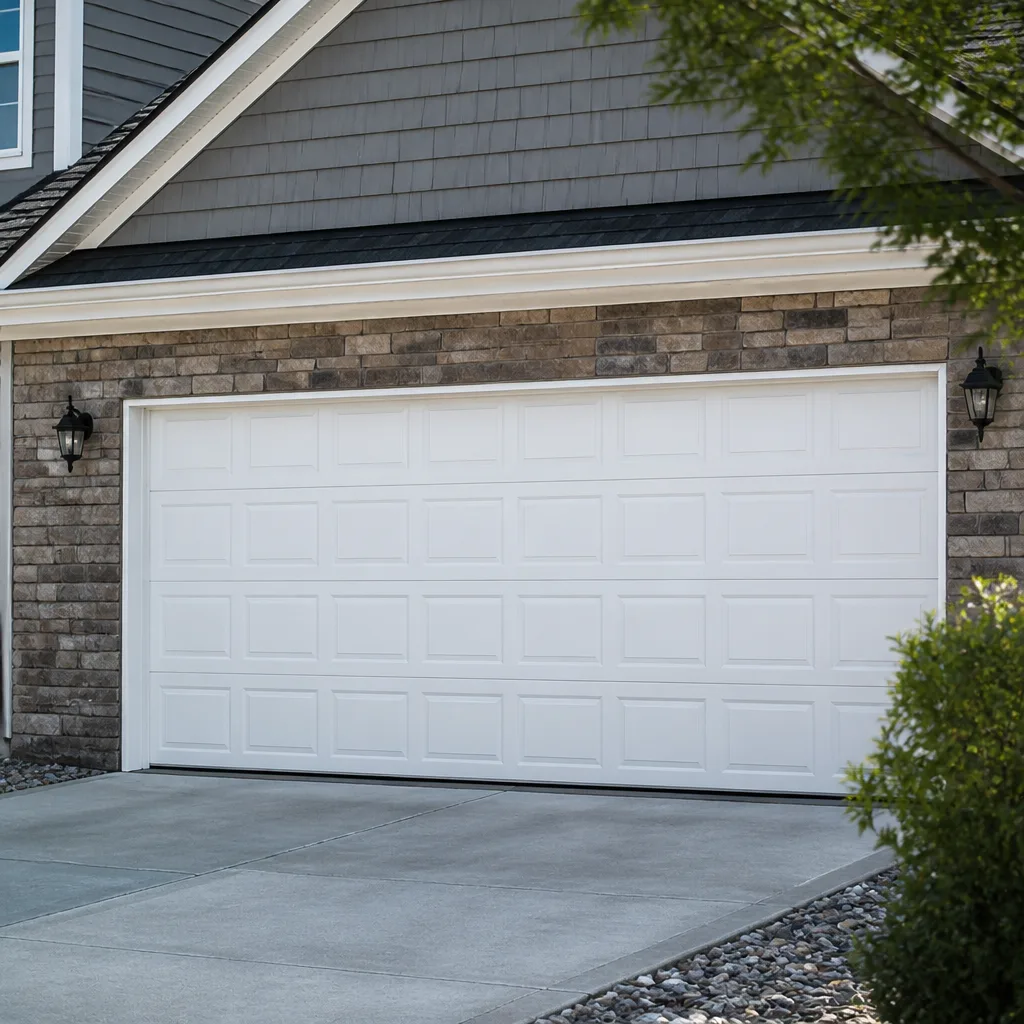 Raised-panel steel
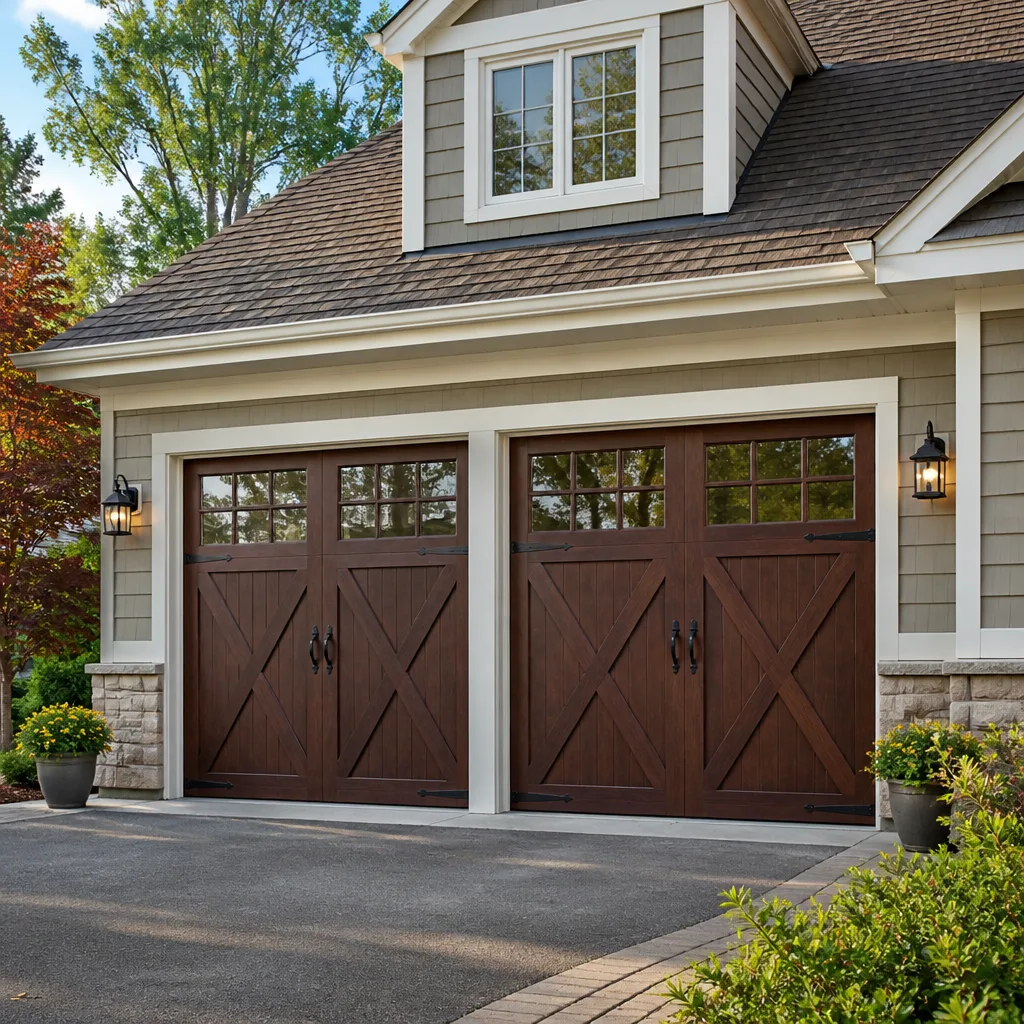 Carriage house
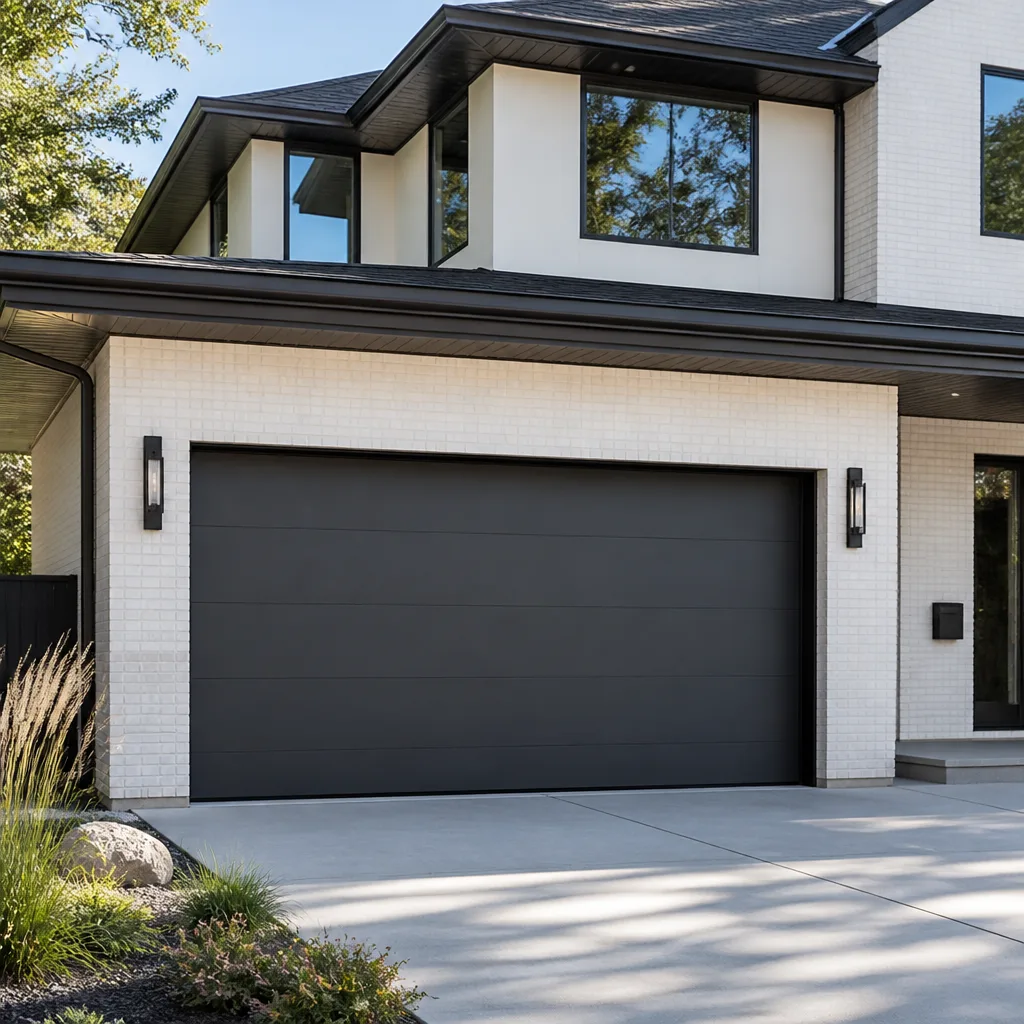 Modern flush
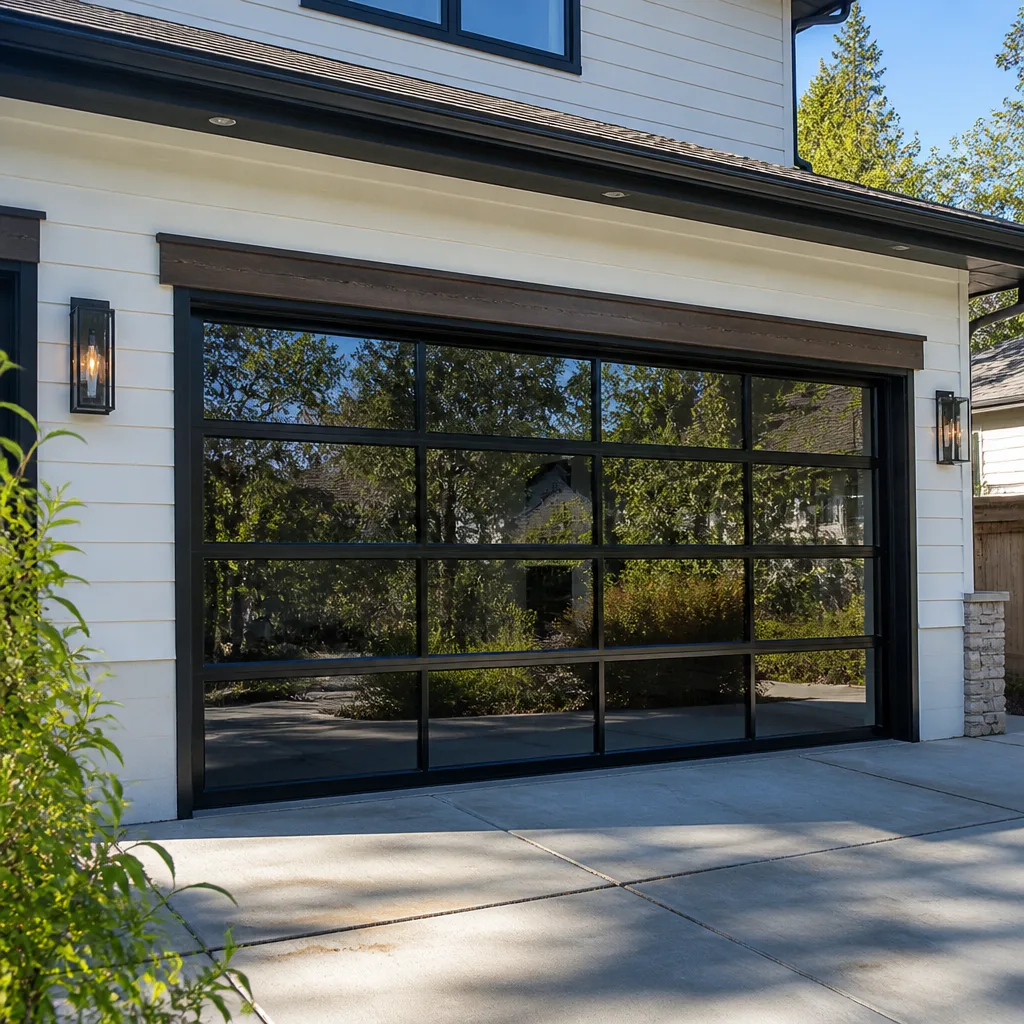 Full-view glass
 LiftMaster openers
 Chamberlain openers
Full 25-point door and opener safety check with every visit - springs, cables, rollers, tracks, and your LiftMaster or Chamberlain opener included
You get a price before we start. It does not change when the pro arrives.
Get your free estimateGarage Door Warning Signs: An Elizabeth Homeowner’s Reference Guide
A door that reverses before it touches the floor isn’t broken. It’s doing exactly what it was built to do: it felt resistance on the way down and went back up. The interesting question isn’t what the door did, it’s why it sensed resistance in the first place. That answer runs the length of a chain, from a leaf stuck in the safety beam at one end to a torsion spring near the end of its life at the other. Warning signs work the same way. They’re a chain of cause and effect, and once you can read the chain, you can tell the difference between a door that needs watching this week and one you should stop using today. This guide is built around that idea. By the end, you’ll know how to pair what you see and hear with what’s actually failing underneath. We work on garage doors across Elizabeth, and the patterns hold on almost every door we’re asked to look at.
Quick Answer
The most serious garage door warning signs in Elizabeth are a door that closes only partway and reverses, a snapped or sagging spring, a door that hangs crooked, and a loud bang from above the door. Those four mean stop using the door and have it checked. Grinding, scraping, rattling and slow movement are warning signs too, but they’re the kind you book a repair for rather than treat as an emergency. Reading each symptom against its likely cause tells you which group you’re in.
Styles & brands we work with
- Raised-panel steel
- Carriage house
- Modern flush
- Full-view glass
- LiftMaster openers
- Chamberlain openers
Table of Contents
- How to Read Your Door Like a Diagnostic Chart
- The Stop-Using-It-Now Signs
- The Watch-It-This-Week Signs
- What Each Noise Tells You
- Visual Signs That Predict a Failure
- Why Slow Movement Is Underrated
- What You Can Safely Check Yourself
- Common Mistakes to Avoid
How to Read Your Door Like a Diagnostic Chart
Most homeowners treat warning signs as a checklist: something on the list is wrong, so call someone. That works, but it doesn’t tell you how fast to move or what the repair is likely to involve. A better approach is to match each symptom to the two or three things most likely to be causing it, ranked by probability. Nine times out of ten, the same handful of causes sit behind the same handful of symptoms, and knowing the order helps you decide whether this is a today problem or a this-month problem.
Here’s the chain, symptom to cause, in the order we’d check them:
- Door reverses before closing. Most likely: something in the safety beam’s path, then a misaligned sensor, then a travel-limit setting that’s drifted. A failing spring is less common but possible, which is why the door’s overall behavior matters.
- Door won’t open at all, opener hums. Most likely: a broken spring carrying the door’s weight, then a stripped opener gear, then a manual lock or slide bolt still engaged.
- Door opens a foot or two and stops. Most likely: a travel-limit or force setting that needs adjusting, then a binding track, then a failing spring or cable.
- Door hangs crooked. Most likely: a broken spring on one side of a two-spring setup, then a snapped cable, then a roller jumped out of its track.
- Loud bang from above the door. Most likely: a torsion spring breaking. This is the one sound that almost always points to a single cause.
Once you’re matching symptoms this way, the door stops being a mystery and starts being a machine with a story. Elizabeth homeowners deal with the same weather cycles year after year, and doors here get a lot of open-close cycles, so the wear patterns show up predictably. That’s useful when you’re deciding whether to keep using the door or park outside for a few days.
The Stop-Using-It-Now Signs
Some warning signs are a stop sign. If you see any of these, stop running the door and call for garage door repair. Continuing to cycle the opener makes the repair bigger and, in some cases, genuinely dangerous.
- A snapped or visibly sagging torsion spring. Look at the horizontal bar above the door. A spring with a clean gap in the coil, or one that’s hanging loose, is broken. Don’t run the opener, because it’s now trying to lift a door that weighs far more than it’s rated for.
- A bang you heard from across the house. That’s usually a torsion spring letting go. The door may look normal, but the spring that balanced it is gone. Stop using it.
- A door that hangs crooked or drops on one side. A broken spring or a snapped cable can drop the door without warning. A crooked door is already unbalanced, and running the opener can twist the panels or bend the track.
- A door that comes down and reverses partway, repeatedly, on the same spot. If the safety beam is clear and it still reverses, something mechanical is binding. Don’t stand under it to test it.
- Loose or broken hinges, or a cable that’s frayed or hanging off a drum. Cables carry extreme tension. A frayed cable is not a DIY fix and is not something to test.
If a door is stuck open or stuck shut and can’t wait, that’s what emergency garage door service is for. We answer 24/7. Fast dispatch from 7am to 7pm, Sunday through Friday. A call outside dispatch hours is booked into the next opening.
The Watch-It-This-Week Signs
Most warning signs aren’t emergencies. They’re the door telling you a component is wearing out and you have some time to schedule the work rather than react to it. These are the ones to book a visit for in the next week or two, not ignore indefinitely.
- Grinding or squealing as the door moves. Usually worn rollers, dry hinges, or a torsion tube that needs lubrication. Left alone, dry metal wears faster and the noise gets worse.
- A slow, laboured door. Often a spring that’s lost tension, sometimes an opener motor on its way out. Slow movement compounds the strain on everything else.
- One opener remote that stops working while another still does. Usually a remote battery, a remote that’s lost its programming, or a logic board on the opener. Garage door opener repair sorts this without touching the door itself.
- A door that stops a few inches short of the floor. Usually a travel-limit adjustment or something small on the ground in the beam’s path. If the beam is clear and it still stops short, get it checked.
- Visible gaps between panels, or a dent that wasn’t there last month. Panel damage usually means an impact the door took, and the damage can stress the tracks and hinges even if the door still runs.
- A door that feels unusually heavy when you lift it by hand, with the opener disconnected. A balanced door should lift easily. A heavy door means the spring is losing tension.
If you’re not sure which group a symptom falls into, it’s worth a quick call. We’re certified to service eight major brands, so we can look at what you have before you book: LiftMaster, Chamberlain, Genie, Clopay, Amarr, Wayne Dalton, Craftsman and Raynor.
What Each Noise Tells You
Noise is the most underused diagnostic tool a homeowner has. A garage door is a system of moving metal parts, and each part makes a specific sound when it wears. Learn the four common noise types and you can often tell what’s failing before the door actually stops working.
- Grinding. A low, rough grinding sound usually points to dry or worn rollers, a dry torsion tube, or worn opener gears. If it happens at the start of the cycle, look at the opener. If it runs the whole cycle, look at the rollers and hinges.
- Popping or a loud snap. A single sharp pop is often a torsion spring letting go. A series of small pops can be a cable jumping its drum or a hinge plate shifting. The first is a stop-using-it sign. The second is worth inspecting promptly.
- Scraping. Scraping usually comes from a door panel rubbing the track, a bent track, or a roller out of its rail. Scraping means metal is grinding on metal and the track needs straightening or the roller needs replacing.
- Rattling or a loose, jangling sound. Loose hinges, loose bolts on the hinges and brackets, or worn rollers. It’s the least serious of the four but the easiest to let run until a hinge fails.
Elizabeth doors take a beating. Panel doors get swung open and shut through cold winters and hot summers, and the temperature swings do a number on lubricant and on the metal parts. If a door that used to be quiet has become noisy in the last season, that’s the door’s own clock telling you it’s due a service. A noise you can pin to a part is far cheaper to fix than a part that fails.
Visual Signs That Predict a Failure
Before the door ever stops working, it usually shows you something on its surface. Walk around the door once a month and look at four things: the springs, the cables, the tracks, and the door panels. You’re not looking to fix anything, just to notice.
- Springs. Look above the door at the torsion bar. A spring should be a tight, even coil. A gap, a loose segment, or a coil that looks stretched are signs to book a visit. Springs are one of the most frequently mishandled jobs in this trade and one of the most dangerous, so this is a look-only check.
- Cables. The cables run along each side from the bottom corners up to the drums. A cable with a fray, a kink, or one that’s hanging off the drum is a stop-using-the-door sign. Don’t touch it. Cables are under extremely high tension.
- Tracks. The vertical track on each side should look straight and even. A bent or kinked track will throw the door off and cause binding. Dents in the track are worth a look even if the door still moves.
- Panels. Look for dents, cracking around the hinges, and gaps between panels. A dented panel can stress the hinges and the track, and a gap lets rain and cold air into the garage.
The weather in Elizabeth does a lot of this work for you. Cold snaps and freezing nights stiffen lubricant and put strain on springs, and heat waves soften seals and expand metal. A monthly walk-around is the cheapest diagnostic you’ll ever run. If you do notice a spring or a cable issue, leave those alone and book a technician. That’s garage door spring repair work, and it’s a job that rewards a trained hand.
Why Slow Movement Is Underrated
If you took a survey of the warning signs homeowners ignore the longest, slow movement would win by a wide margin. The door still opens, so it feels fine. But a door that’s noticeably slower than it used to be is telling you the balance has shifted. Torsion springs do almost all the lifting. The opener only provides the push to get the door going and control it on the way down. When the springs lose tension, the opener has to work much harder, and the door takes longer to move.
Slow movement matters for three reasons:
- It wears the opener out faster. A motor that has to lift a door it wasn’t designed to lift runs hot. Openers fail much earlier when the door is out of balance.
- It’s the most common early sign of a weakening spring. The spring won’t always snap with a bang. It can slowly lose tension for months first, and slow movement is usually the first clue.
- It makes the other parts work harder. Rollers, cables and hinges all wear faster when the door is heavier than it should be. A slow door is quietly aging every component in the system.
If your door used to open in a second or two and now takes noticeably longer, don’t wait for it to stop. Have it looked at. If the spring is losing tension, replacing it early is usually a simpler job than replacing it after it’s snapped and damaged the cables or the opener.
What You Can Safely Check Yourself
A few things are safe to check and worth checking. Most of the job is observation, not repair. The key rule is simple: look at the springs and cables, but don’t touch them.
- Test the safety beam. With the door open, wave your foot or a broomstick through the beam at the bottom of the door and watch for the door reversing. If it doesn’t reverse, the sensor or its wiring needs attention.
- Test the balance. Close the door, pull the opener’s manual release so the door is on manual, then lift it by hand to about waist height. A balanced door stays where you put it. If it drops or feels heavy, the springs are wearing and it’s worth a call.
- Look at the rollers. A worn roller is loose in its stem, or visibly cracked. Replacing rollers is a straightforward job and cheaper than letting them wear the track.
- Look at the springs and cables only. Confirm they’re intact. Don’t try to adjust, tighten or take up tension on a spring or cable. Both are under extreme tension and both can injure you badly if they slip.
- Check the door’s alignment. Stand back and look at the gap at the bottom. An uneven gap suggests the door is off balance and the springs or cables need attention.
That’s the safe list. Anything beyond it (springs, cables, drums, torsion bars) belongs with a trained technician. Springs and cables are the two parts of a garage door that cause the most serious injuries when a homeowner tries the work. A real expert will tell you that. We will too. Call us instead.
Common Mistakes to Avoid
- Waiting for a snapped spring before calling. The loud bang isn’t always the first sign. A slow door or a visibly stretching spring is your early warning, and fixing it before it snaps usually means a smaller repair.
- Cycling the door to “test” it after a loud bang. If a spring has broken, the opener is now lifting the full weight of the door. Running it again can bend the track or burn out the opener. Stop and call.
- Assuming a reversing door means a bad sensor. Sometimes it does. Often it’s a travel limit, a binding track, or something small in the beam’s path. Test the beam, check the track, and if it still reverses, book a visit.
- Lubricating springs to stop the noise. Springs don’t need oil to work, and a noisy spring usually means a worn part, not a dry one. Oil can hide the noise without fixing the cause.
- Trying to adjust springs or cables by hand. This is the single most dangerous garage door job. The tension in a torsion spring can seriously injure a person in an instant. Leave it to a technician.
- Using a handyman for a spring job. Many general handymen decline spring work for good reason. It’s a specialist job. Make sure whoever does it has done it before, and that they’re working on the correct spring for your door’s weight and size.
- Ignoring slow movement because the door still works. A slow door works, but it’s working harder. That extra strain is wearing out the opener and the springs with every cycle.
If you’ve read through the list and recognized your door, it’s worth a call. We’re a multi-brand specialist and a single place to call whether you have a LiftMaster opener, a Wayne Dalton door, a Craftsman remote that’s quit, or a Raynor with a spring issue. Elizabeth Garage Door Repair Co handles repair, opener work, spring repair and full installation, so you don’t have to coordinate three different trades.
See the difference
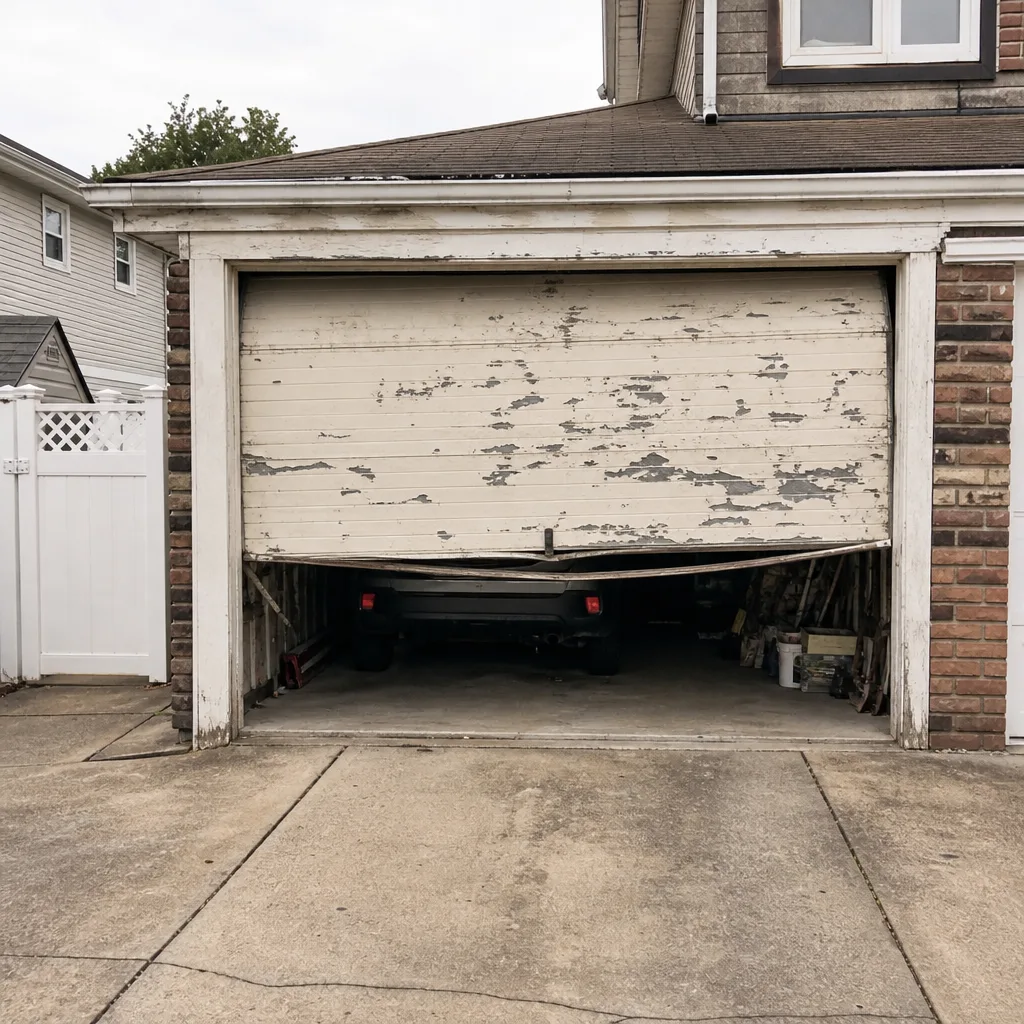 Before
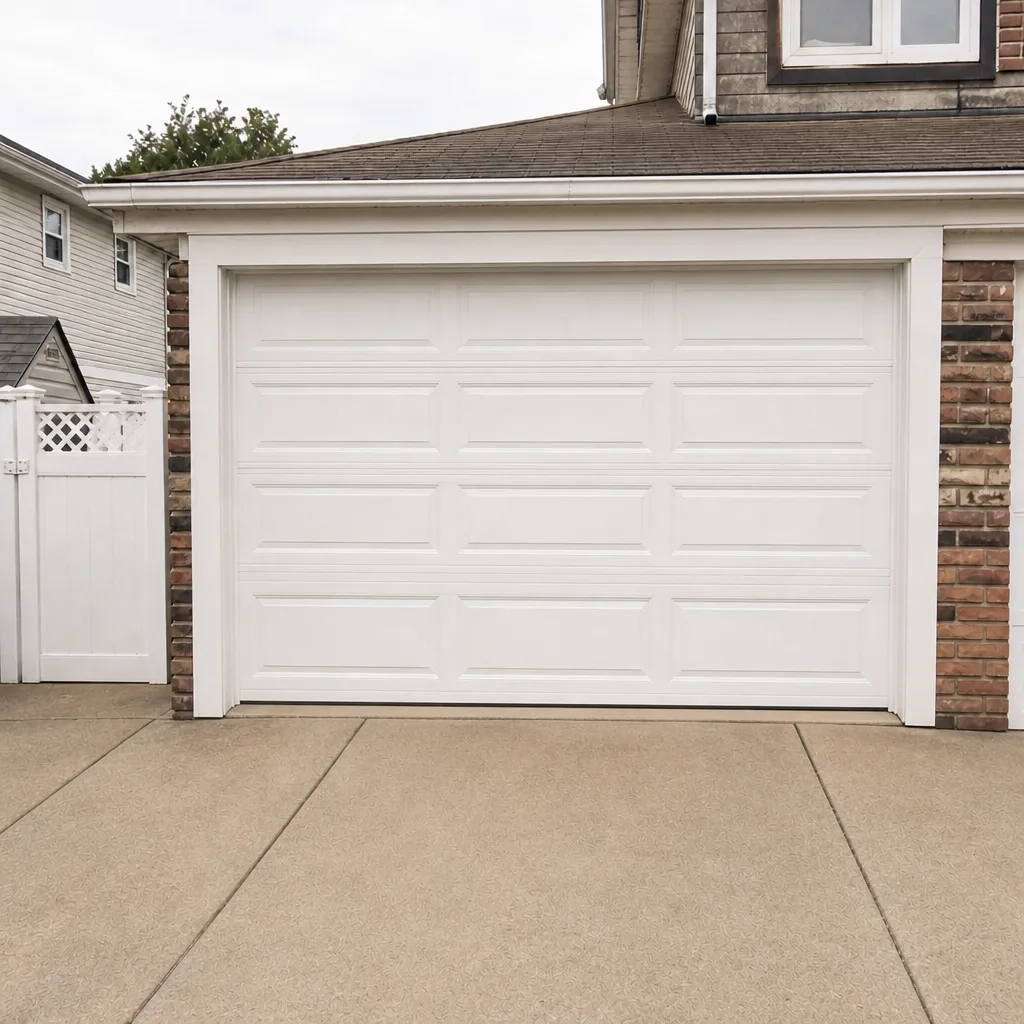 After
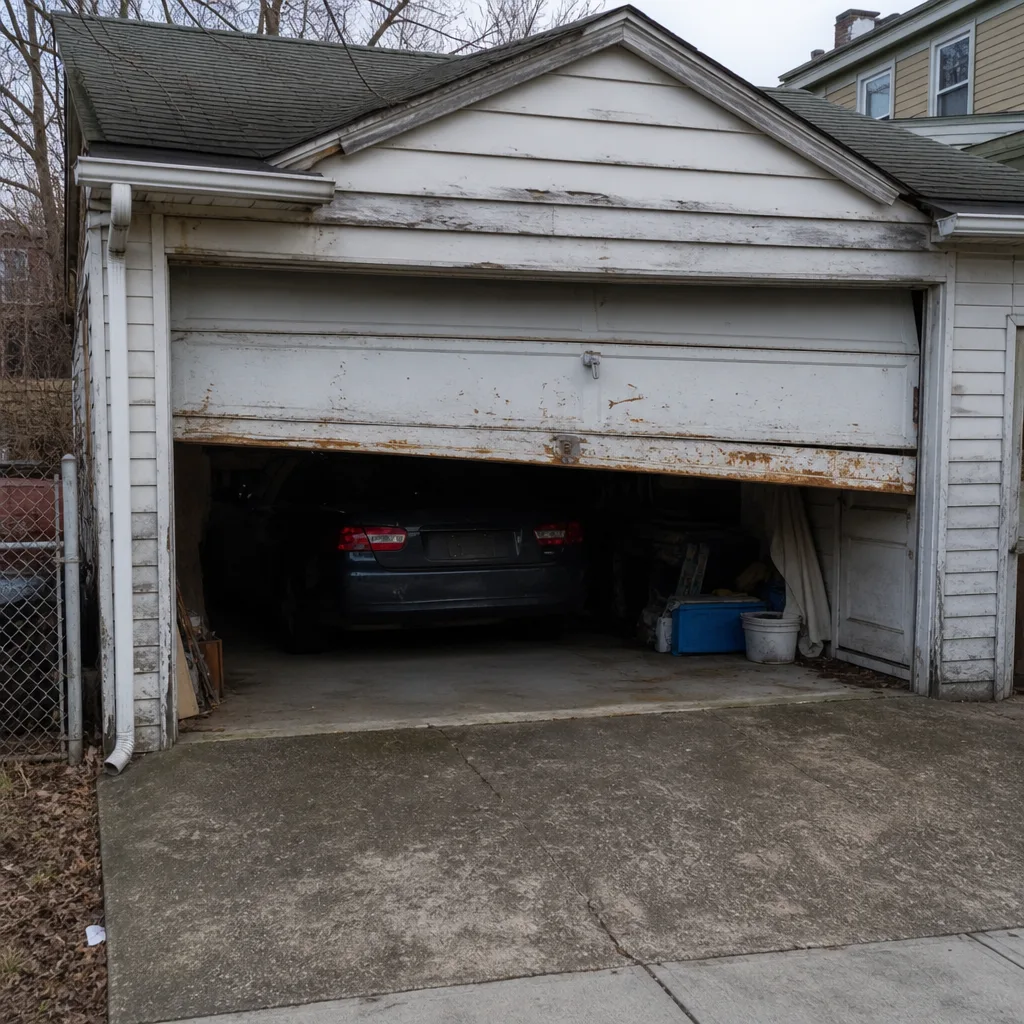 Before
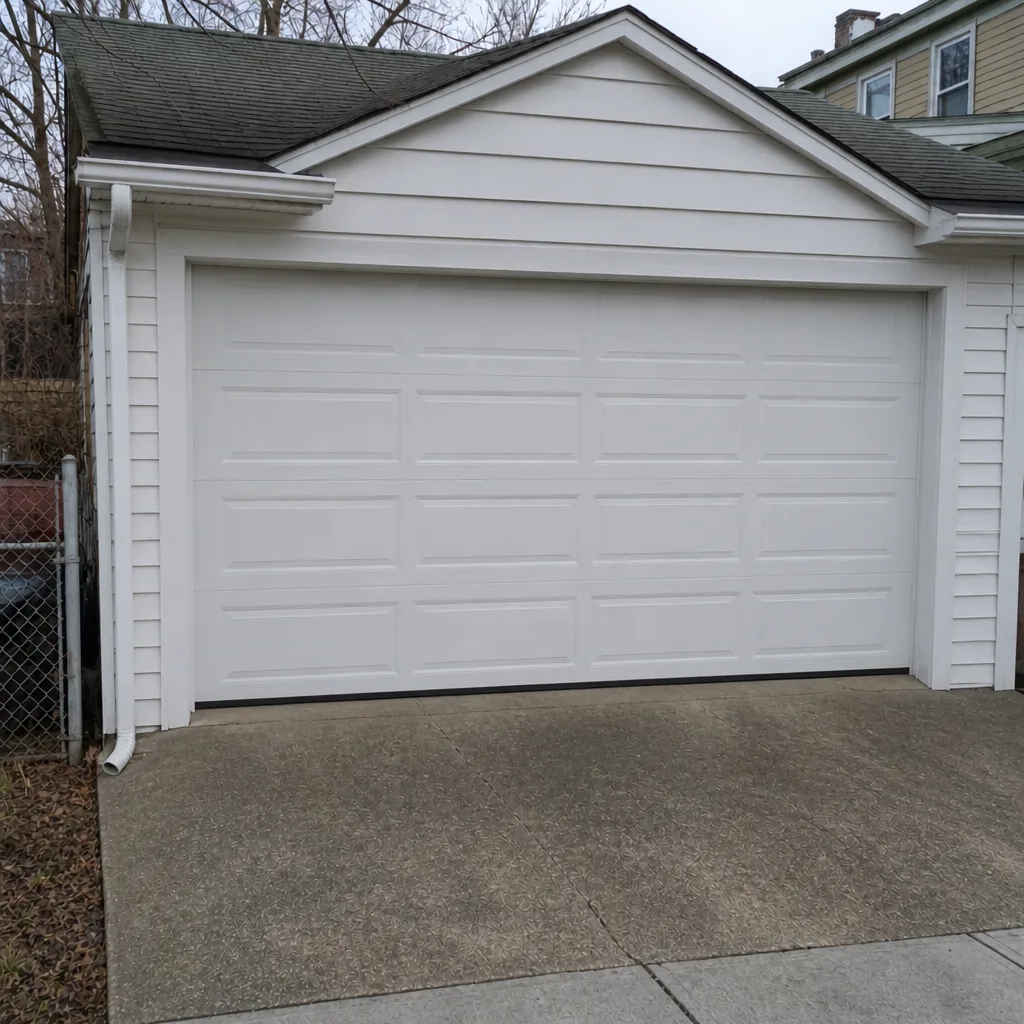 After
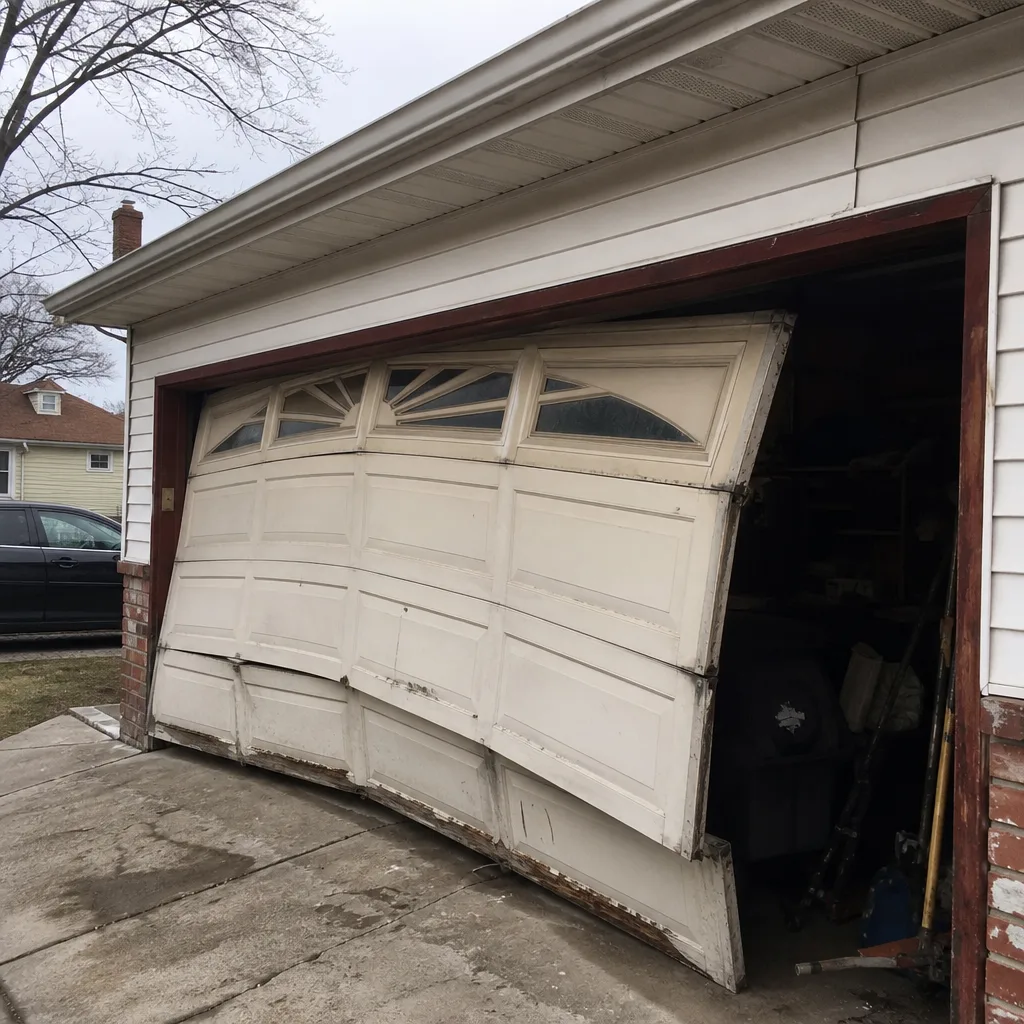 Before
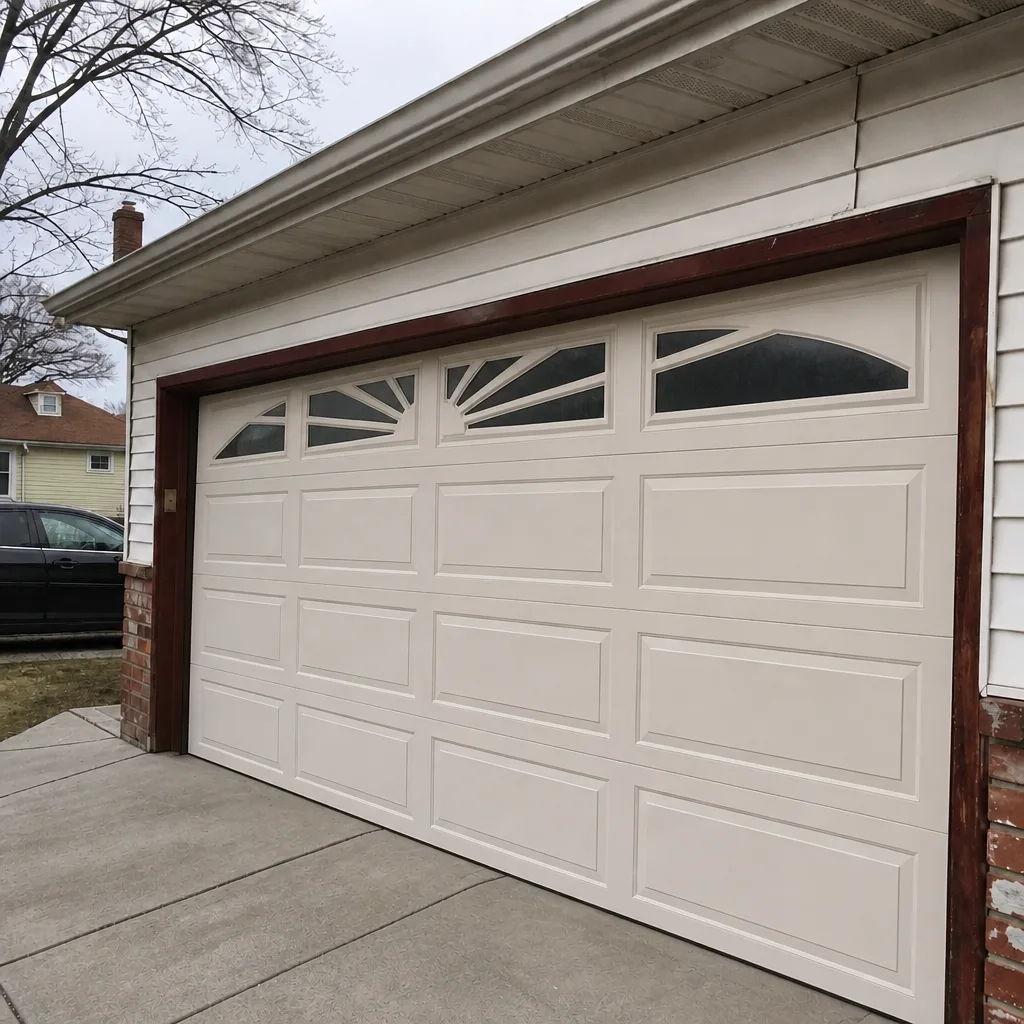 After
When to Call a Professional
Call a professional for any warning sign on the stop-using-it list: a snapped spring, a hanging or crooked door, a loud bang from the bar above the door, a frayed or off-drum cable, or a door that won’t close and can’t be moved. Call for the watch-this-week signs too, especially grinding, slow movement, a door that stops short, or a remote that’s stopped working. Call earlier if the door is your only way in or out of the garage. Elizabeth Garage Door Repair Co offers free estimates in Elizabeth. Call (866) 937-7593. We answer 24/7, with fast dispatch from 7am to 7pm, Sunday through Friday. Our technicians have up to 12 years of experience. The price is quoted and agreed before any work starts, so the estimate is the number you pay.
Frequently Asked Questions
The most common first sign is a door that moves more slowly than it used to, or one that feels heavier than normal when you lift it by hand with the opener released. A spring can lose tension for weeks before it snaps, and the door’s slower movement is usually the first clue. If you also see a gap or a stretched coil in the spring above the door, book a visit rather than wait. Call (866) 937-7593 for an exact quote. Estimates are free.
Not usually. A door that reverses before closing is doing exactly what it was programmed to do: it sensed resistance and went back up. The question is why. Most often it’s something in the safety beam’s path, a misaligned sensor, or a travel-limit setting that needs adjusting. If the beam is clear and it still reverses, it may be a binding track or a failing spring, and that’s worth a technician’s look. Call (866) 937-7593 for a free estimate if you’re not sure.
Spring work is priced per job by estimate, so there’s no single number. A one-spring replacement is a smaller job than a pair. When one spring in a matched pair fails, replacing both together is usually the better call so the older spring doesn’t fail next. The estimate sets the price, and it’s quoted and agreed before any work starts. Call (866) 937-7593 for an exact quote. Estimates are free.
No. A snapped spring means the door is being lifted by the opener alone, and the full weight of the door is far more than the opener was built for. Running it again can bend the track, twist the panels, or burn out the opener. Stop using the door and call for emergency service. Call (866) 937-7593. We answer 24/7, and a call outside dispatch hours is booked into the next opening, Sunday through Friday, 7am to 7pm.
Yes. The local professionals we connect you with are licensed and insured as their state requires. What that means for you: if something doesn’t go right, you have a business to call rather than an unvetted hand. Our technicians have up to 12 years of experience, and they handle spring repair, opener repair and full installation under one call. Call (866) 937-7593 to book an estimate.
No, because the price is quoted and agreed before any work starts. We don’t bill by the hour or add a fee for coming out. The written estimate sets the price, so you know the number before the technician picks up a tool. If the job turns out to be something other than what you described on the phone, we’ll tell you before we start, not after. Call (866) 937-7593 for a free estimate.
The Bottom Line
Warning signs aren’t a checklist to panic over. They’re your door telling you which part is wearing and how much time you have to act. A reversing door usually means a sensor or a setting, not a disaster. Slow movement and grinding noise are quiet warnings worth booking a week out. A snapped spring, a crooked door, a loud bang from the bar above the door or a frayed cable are stop signs, and the door should stay shut until a technician looks at them. Keep the safe checks in your routine: the beam, the balance, the rollers, and a monthly look at the springs, cables and tracks. That’s the whole chain, and once you can read it, a broken garage door becomes a solvable problem, not a mystery.
If you’re not certain which group your door is in, call us. We work on your brand, we do spring repair in-house, and we handle everything from an opener repair to a new installation under one call. Emergency service is available when a stuck door can’t wait. If the door needs more than a fix, we’ll walk through the options for a replacement. Call (866) 937-7593. We answer 24/7. Fast dispatch from 7am to 7pm, Sunday through Friday.
Written by the team at Elizabeth Garage Door Repair Co.